Mom Life Design: I Was Normal 2 Kids Ago
As a designer who spends half my life troubleshooting stitch errors and the other half trying to make handmade goods look professional, I don’t just buy embroidery files; I stress-test them. When I first pulled up Mom Life Design, I Was Normal 2 Kids Ago, I wasn’t looking for another generic quote to slap on a baby onesie. I was looking for something with personality that could hold up in a real-world application—specifically, a batch of custom gifts for a client’s boutique launch. This is a review based on how this design actually behaves under the needle, not just what it looks like in a preview window.
First Impressions and Visual Personality
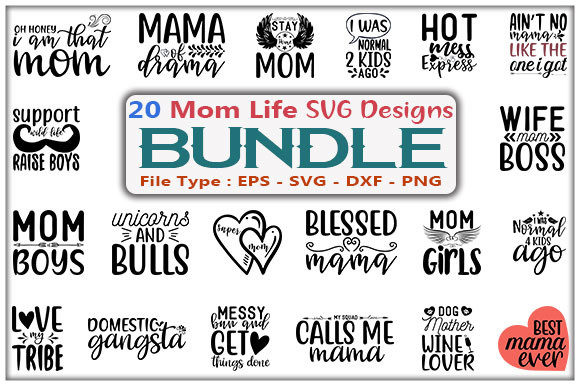
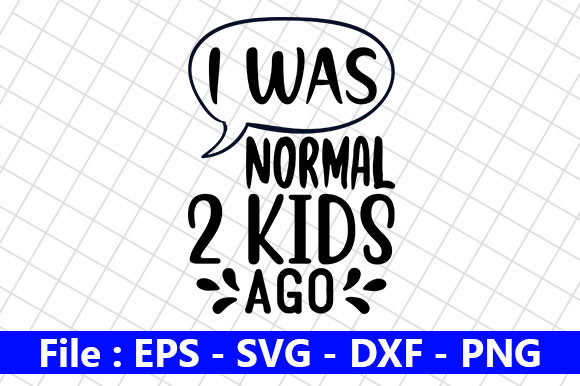
The moment you load the file into your digitizing software, the layout speaks to you. The phrase "I was normal 2 kids ago" carries a specific weight. It’s relatable, slightly humorous, and deeply emotional for its target audience. From a design perspective, the typography needs to balance readability with charm. In this case, the design feels balanced enough for small hoop sizes but detailed enough to justify a higher price point on finished products.
What stands out immediately is the visual hierarchy. The text is the star, but the surrounding elements (depending on the specific vector version) provide enough graphical interest without cluttering the negative space. For an embroiderer, less is often more because every extra detail adds stitch count and potential failure points. This design strikes a practical middle ground. It creates a mood that is cozy and authentic, making it perfect for personalized gift items where the buyer wants to feel seen. It doesn’t scream for attention; it invites a smile. That subtle emotional connection is exactly what drives engagement on platforms like Etsy or at craft fairs.
Real-World Application: Where This Design Shines
I took this machine embroidery design out of the digital realm and tested it across several common product categories. Here is how it performed in actual production scenarios.
- Custom Apparel and Sweatshirts: Placed on the chest of a heather grey sweatshirt, the design popped beautifully. The contrast between the thread colors and the fabric texture created a tactile appeal that photos alone can’t capture. It works particularly well for sweatshirt embroidery projects aimed at parents who want comfort without sacrificing style.
- Tote Bags and Canvas Goods: I stitched this onto a heavy-duty canvas tote. The stability of the fabric allowed for clean edges, and the message resonated strongly with shoppers running errands with multiple children. It serves as both a functional item and a conversation starter, boosting brand consistency for any small business owner selling lifestyle goods.
- Baby Items and Nursery Decor: On softer fabrics like muslin or flannel, the design takes on a gentler tone. It’s ideal for baby embroidery projects, such as milestone blankets or nursery wall hangings. Parents love buying items that acknowledge their new reality, and this design delivers that sentiment with warmth rather than cynicism.
- Kitchen and Home Textiles: Tea towels and aprons are classic craft business staples. Stitching this onto a linen apron adds a touch of humor to the kitchen. It’s a great upsell item when customers are already buying matching sets.
In all these applications, the embroidery project felt cohesive. The design didn’t fight the material; it enhanced it. For Etsy sellers and small shop owners, this versatility means one digital asset can fuel multiple product lines, maximizing ROI on your design assets.
Technical Performance and Stitch Quality
When evaluating any digital embroidery file, I always look at the stitch density and the transition between different stitch types. While the product description lists formats like SVG, DXF, EPS, and PNG, the true test lies in the embroidery-specific instructions hidden within the digitization.
The design utilizes a mix of satin stitch for outlines and fill stitch for solid areas, which helps create depth. However, the success of this piece relies heavily on proper stabilization. Because the text is the focal point, any puckering will ruin the illusion of professionalism. I found that using a cut-away stabilizer for woven fabrics and a tear-away for knits provided the best results. If you skip this step, the fabric texture might distort the lettering, making the message harder to read.
Thread color selection is also critical. The design likely includes suggested color palettes, but as a reviewer, I advise testing high-contrast combinations. For example, white thread on dark navy fabric creates a crisp, modern look, while pastel threads on light backgrounds offer a softer, vintage vibe. Always inspect the thread colors against your actual inventory before committing to a large run.
Where to Exercise Caution
No design is perfect for every surface. There are specific scenarios where Mom Life Design, I Was Normal 2 Kids Ago requires careful handling:
- Small Hoop Sizes: If you attempt to digitize or stitch this into a very small hoop (under 4x4 inches), details may become muddy. Tiny lettering loses definition when scaled down too far, reducing the impact of the message.
- Textured or Stretchy Fabrics: While it performs well on standard cottons and poly-blends, highly textured fabrics like bouclé or extremely stretchy spandex blends can cause needle deflection. This leads to misaligned stitches and a messy finish. Test on scraps first.
- Curved Surfaces: Applying this to caps or curved hat fronts requires advanced hooping techniques. The flat nature of the design might not follow the curve of the cap naturally, leading to distortion at the edges.
- Dense Stitch Areas: Avoid placing dense fill stitches directly over seams or thick layers of fabric, as this can cause needle breakage or uneven tension.
Impact on Product Value and Customer Trust
In the world of handmade goods, presentation is everything. A well-executed finished product signals quality and care. When a customer receives a tote bag or sweatshirt with Mom Life Design, I Was Normal 2 Kids Ago embroidered cleanly, they perceive higher value. The clarity of the stitching builds customer trust in your brand. It shows that you pay attention to detail, even in the small things.
Furthermore, the relatability of the design fosters emotional engagement. Buyers aren’t just purchasing a shirt; they’re purchasing a statement about their identity as parents. This emotional connection increases the likelihood of repeat purchases and positive reviews. For commercial embroidery businesses, leveraging designs that resonate emotionally is a proven strategy for increasing buyer engagement.
Practical Designer Notes for Success
Before you rush into production, keep these practical tips in mind to ensure your embroidery project succeeds:
- Test on Scrap Fabric: Never assume a design will work perfectly on your final material. Always stitch a test sample to check for tension issues, color clashes, or scaling problems.
- Review Stitch Density: Check the density settings in your software. If the stitches are too close together, the fabric will pucker. If they are too sparse, the backing may show through.
- Inspect Small Details: Zoom in on the digital file. Are there any tiny decorative elements that might get lost in the stitching process? Simplify if necessary.
- Use Proper Stabilizer: Match your stabilizer to your fabric weight. Heavy fabrics need strong support; light fabrics need gentle removal.
- Confirm Licensing: If you plan to sell finished items, verify the commercial use license included with the file. Some graphics are for personal use only. Ensure you have the right permissions to avoid legal issues.
- Create Printable Mockups: Before investing in materials, create printable mockups to visualize how the design looks on different products. This helps in marketing and listing creation for your online store.
Ultimately, Mom Life Design, I Was Normal 2 Kids Ago is a versatile, emotionally resonant addition to any designer’s library. It balances humor with heartfelt acknowledgment, making it suitable for a wide range of handmade products. By paying attention to technical details like stabilization and thread choice, you can transform this simple file into a premium custom apparel item that customers will love. Whether you are a seasoned pro or just starting your craft business, this design offers a reliable foundation for creating meaningful, marketable goods.